

The Forest Hills Resort: Private Pool & Luxury Stay at Best Resort in Udaipur Rajasthan
February 18, 2026
Best NCC Uniform Supplier in India for Cadets, Schools and Colleges
April 10, 2026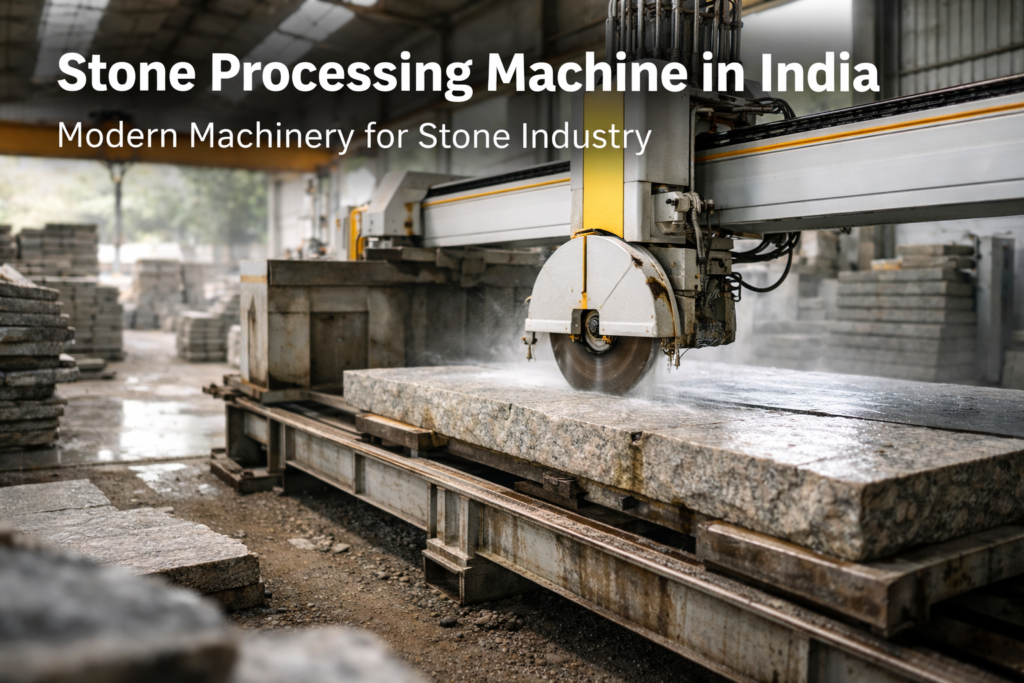
Modern Stone Cutting Machinery Manufacturing, Supplier
Factories that deal with granite, marble, and similar natural materials often handle heavy blocks that behave differently from other industrial materials. Stone surfaces rarely remain uniform, and cutting them with consistent precision usually requires specialised equipment rather than traditional tools. Over time, manufacturing units across the country began shifting toward modern machinery designed specifically for stone operations.
In discussions around the Stone Processing Machine in India, production managers often mention how machinery has gradually replaced labour-intensive techniques. Earlier workshops depended on manual cutting systems that required constant adjustment. Output remained slow, and maintaining straight cuts across large slabs required considerable effort.
With improved machinery, operators now manage larger blocks while keeping control over blade movement and cutting depth. This shift reduced physical strain and helped maintain more consistent production cycles. Within this space, SLP Engineers has focused on machines built for demanding workshop environments where stone dust, vibration, and heavy slabs remain common conditions.
Rather than adding unnecessary complexity, many machines follow a practical design approach. Frames remain sturdy, motors stay properly aligned, and operators usually find controls easy to handle during long work shifts. Over time, these characteristics allow machines to perform reliably even under continuous industrial workloads.
How Industrial Engineering Supports Stone Processing
Stone equipment often reflects the broader principles used in Industrial Machinery Manufacturing. Engineers typically evaluate how structural components behave under pressure before finalising a machine layout. Frame strength, blade stability, and motor alignment influence cutting accuracy during extended operations.
SLP Engineers follow similar engineering observations when designing machinery. Many factories across India prefer equipment that remains mechanically dependable rather than machines filled with complex electronics. In most cases, technicians working on factory floors value systems that can be inspected and maintained without complicated procedures.
Another factor often discussed within manufacturing units involves workflow balance. Cutting operations rarely occur alone. Stone blocks must be lifted, positioned, cut, and moved again for finishing work. Machinery therefore functions as part of an interconnected process rather than separate equipment placed randomly across the workshop.
Observations from daily factory operations
Technicians working in stone processing units often notice patterns that influence machine performance:
- Strong machine frames usually reduce vibration during slab cutting.
- Stable blade alignment often helps maintain cleaner stone edges.
- Coordinated lifting systems tend to improve movement of heavy slabs between machines.
When machines follow these practical considerations, production lines usually remain steady without frequent interruptions.
Machines Designed for Daily Stone Factory Operations
Factories involved in stone work rarely depend on a single system. Instead, different machines operate together to transform raw stone into usable slabs. Equipment produced by Stone Cutting Machine Manufacturers often forms the core of these workshops.
Operators frequently observe that natural stone reacts differently depending on blade pressure and feed speed. If cutting speed becomes too aggressive, edges may chip or cracks may develop. Because of this behaviour, many machines operate with balanced motor control rather than extremely high blade rotation.
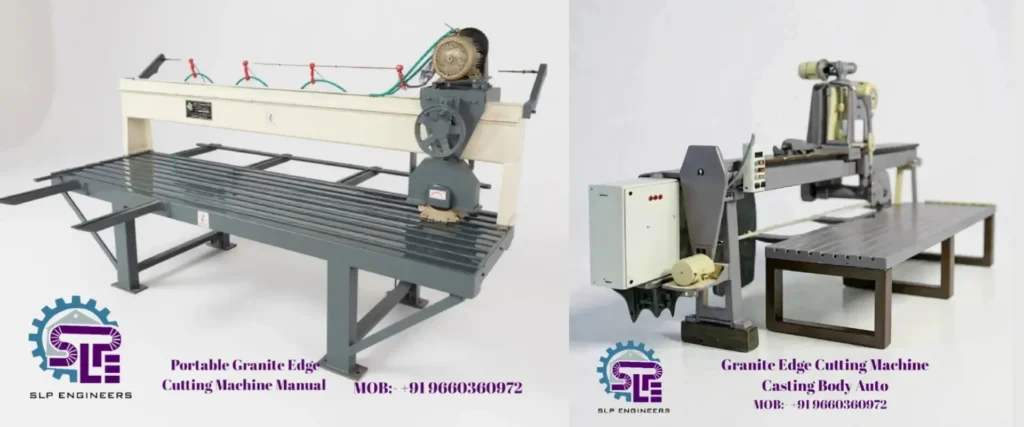
Within larger production units, the Automatic Stone Cutting Machine has gradually become more common. Automation helps maintain uniform slab dimensions when processing repeated batches. However, technicians generally continue supervising operations because stone density sometimes varies even within the same block.
SLP Engineers contribute to this area by designing machines that support long operating hours inside busy processing units. Instead of focusing heavily on complex automation features, the company usually emphasises mechanical strength, steady cutting performance, and manageable maintenance procedures.
Machinery commonly seen in processing units
Stone workshops often operate with several interconnected machines:
- Block cutting machines used for slicing large raw stone sections
- Edge cutting systems shaping slabs before finishing processes
- Polishing equipment improving surface smoothness
These machines together support the workflow connected with Stone Processing Machine in India installations found in many industrial zones.
Equipment Supporting Material Handling Inside Stone Units
Cutting forms only one stage of stone manufacturing. Moving heavy slabs across the factory floor requires specialised lifting equipment. Many facilities therefore install overhead crane systems to handle granite blocks and finished slabs safely.
In several industrial setups, cranes supplied by an Overhead Crane Manufacturers Company in India assist workers while transferring material between cutting and finishing areas. Large stone slabs remain difficult to move manually, so cranes reduce physical strain and improve operational safety.
SLP Engineers also provides lifting and handling solutions designed to work alongside processing machines. When cranes operate in coordination with cutting systems, workflow inside the workshop usually becomes smoother.
Production units that analyse equipment arrangements often study how every machine supports the next stage of work. Within such setups, Stone Processing Machine in India installations typically operate together with lifting equipment, polishing machines, and handling tools.
Over time, manufacturers such as SLP Engineers continue adjusting machine designs according to conditions observed inside real stone factories. Dust-heavy environments, continuous workloads, and large stone blocks place strong demands on machinery. Because of these conditions, workshops frequently prioritise durability and structural strength while selecting equipment used in Stone Processing Machine in India operations across industrial facilities.
Contact Us
Business Name – SLP Engineers
Address – G1, 118 Road No. 3C, BIA Kaladwas, Eklingpura, Udaipur, Rajasthan, India – 313003
Contact Number – +91 96603 60972
Write Us – slpengineers01@gmail.com
